



















 Earn up to 50% APR
 Boost earnings with NFTs
 Play, HODL & earn more







European Banks Are Moving Toward Crypto Partnerships Instead Of Building Everything Alone
-
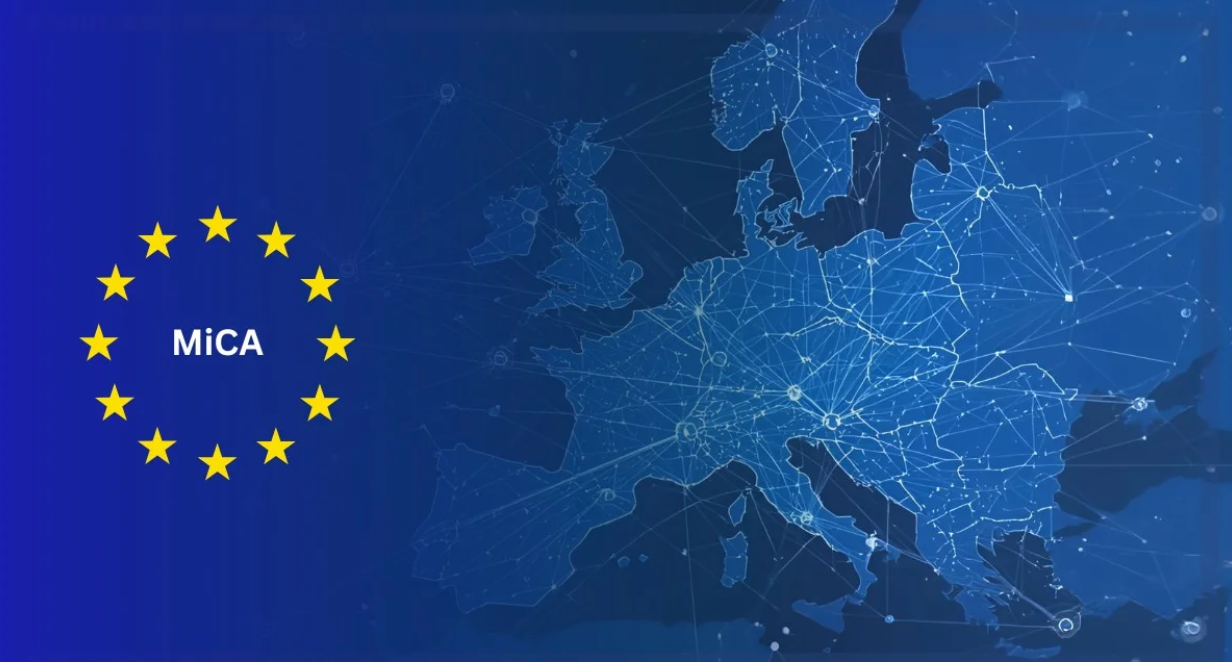
Rather than building crypto infrastructure from scratch, many European banks are increasingly partnering with specialized blockchain and custody providers to offer digital asset services more efficiently. Companies with MiCA compliant infrastructure are now becoming key backend providers for banks looking to integrate crypto trading, custody, and settlement into existing financial products.This strategy allows banks to move faster while reducing technical and regulatory complexity. It also reflects how the crypto industry itself is maturing. Instead of operating entirely outside traditional finance, blockchain infrastructure is increasingly being woven directly into regulated banking systems across Europe as institutions compete to meet rising customer demand for integrated digital asset access.
-
mica compliant custody and settlement providers are becoming strategically important because regulatory clarity lowers barriers for institutional adoption
-
MiCA is changing the game for European crypto.
-
Banks realized it’s easier to integrate than fight it.
-
Regulation might actually accelerate adoption.
-
Europe is building the rails first.
-
From “crypto is risky” to offering crypto services

-
MiCA could become a blueprint for other regions.
-
The bridge between TradFi and crypto is getting stronger.
-
Regulation + infrastructure = institutional adoption.
-
Compliance might be boring, but this is how big money enters.
-
European banks are clearly taking digital assets seriously now.
-
European banks are partnering with MiCA-compliant providers to quickly offer crypto services without building infrastructure from scratch.
Partnerships: Banks plug into established crypto and custody providers for trading, storage, and settlement.
Benefits: Faster market entry with drastically lower technical and regulatory hurdles under MiCA.
Trend: Blockchain tech is merging directly into traditional European banking to meet rising retail demand.