











Skip to content
  • Categories
  • Recent
  • Tags
  • Popular
  • World
  • Users
  • Groups
Collapse
Brand Logo
UDS UDS: $1.1795
24h: 0.48%
Trade UDS
Gate.io
Gate.io
UDS / USDT
KuCoin
KuCoin
UDS / USDT
MEXC
MEXC
UDS / USDT
BingX
BingX
UDS / USDT
BitMart
BitMart
UDS / USDT
LBank
LBank
UDS / USDT
XT.COM
XT.COM
UDS / USDT
Uniswap v3
Uniswap v3
UDS / USDT
Biconomy.com
Biconomy.com
UDS / USDT
WEEX
WEEX
UDS / USDT
PancakeSwap v3
PancakeSwap v3
UDS / USDT
Pionex
Pionex
UDS / USDT
COINSTORE
COINSTORE
UDS / USDT
Sushiswap v3
Sushiswap v3
UDS / USDT
Picol
Picol
UDS / USDT

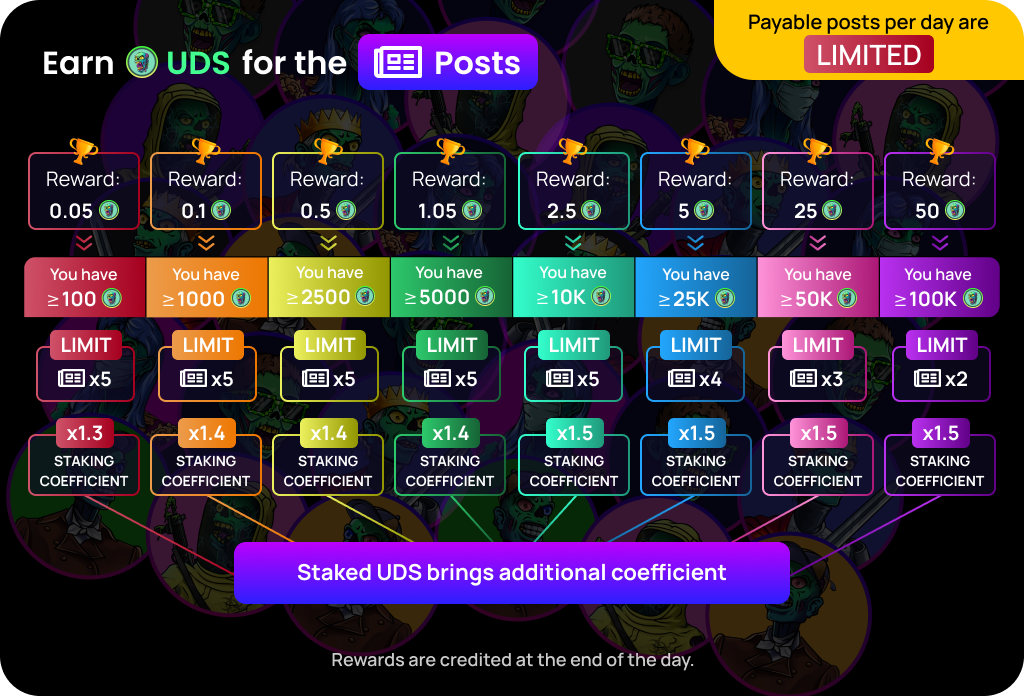
Earn up to 50 UDS per post

Post in Forum to earn rewards!

Learn more
UDS Right

Spin your Wheel of Fortune!

Earn or purchase spins to test your luck. Spin the Wheel of Fortune and win amazing prizes!

Spin now
Wheel of Fortune
selector
wheel
Spin

Paired Staking

Stake $UDS
APR icon Earn up to 50% APR
NFT icon Boost earnings with NFTs
Earn icon Play, HODL & earn more
Stake $UDS
Stake $UDS
UDS Left

Buy UDS!

Buy UDS with popular exchanges! Make purchases and claim rewards!

Buy UDS
UDS Right

INFLUENCER LEVEL

Based on the number of subscribers

MULTIPLIER

up to 10k

x1.1

10-25k

x1.25

25-100k

x1.5

100k-250k

x2

250k-1m

x3

1m+

x5

Post links to Undeads Forum messages or Undeads products to receive additional rewards

Post limits and staking coefficients applied similar to Forum posts

Discord, Telegram, Twiter

Post in Forum to earn rewards!

UDS Rewards
johnblockbusterJ

johnblockbuster

@johnblockbuster
About
Posts
1.9k
Topics
1.3k
Shares
0
Groups
0
Followers
0
Following
0

Posts

Recent Best Controversial

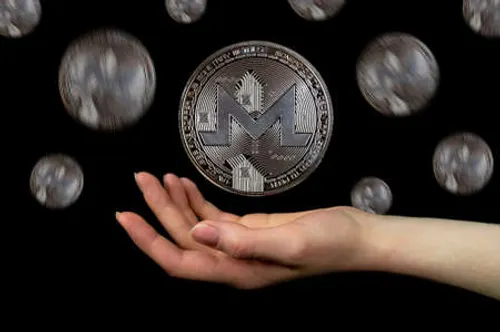
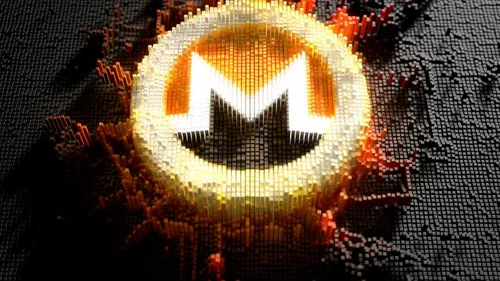
  • Is Monero a good long-term investment?
    johnblockbusterJ johnblockbuster

    e6158b1e-5fc6-45fd-abda-fa5e111bd3d2-image.png
    Monero's long-term value proposition is closely tied to growing demand for financial privacy in an increasingly digital world. As governments, corporations, and blockchain analytics firms improve their ability to track public blockchain transactions, some investors believe privacy-focused cryptocurrencies could become more valuable over time.

    However, Monero also faces unique risks. Regulatory scrutiny remains one of the biggest challenges, as some exchanges have delisted privacy coins due to compliance concerns. Despite these obstacles, Monero has maintained one of the strongest communities in crypto and continues to be regarded as the leading privacy-focused blockchain. Investors should carefully evaluate both its technological strengths and regulatory risks before making investment decisions.
    FAQ

  • What is XMR used for?
    johnblockbusterJ johnblockbuster

    e39d8c7e-ef60-4e98-a2b2-f0b00df870ff-image.png
    XMR serves as the native currency of the Monero network and is primarily used for peer-to-peer payments, value transfers, and private transactions. Because transaction details remain hidden, many users choose Monero when they want greater financial privacy compared to traditional cryptocurrencies.

    Beyond payments, XMR is often used as a store of value by individuals who prioritize privacy and censorship resistance. The network is maintained through decentralized mining, and unlike many newer cryptocurrencies, Monero remains one of the few major proof-of-work projects that is still actively focused on preserving user anonymity and fungibility.

    FAQ

  • What is Monero (XMR) and why is it different from Bitcoin?
    johnblockbusterJ johnblockbuster

    d8fb2f75-bfd7-49a7-8dc1-366b76e3dedf-image.png
    Monero (XMR) is a privacy-focused cryptocurrency designed to make transactions confidential by default. Unlike Bitcoin, where transaction amounts, wallet addresses, and balances can be viewed on a public blockchain, Monero uses advanced cryptographic technologies such as Ring Signatures, Stealth Addresses, and RingCT (Ring Confidential Transactions) to hide this information from public view.

    This privacy-first approach makes Monero one of the most anonymous cryptocurrencies in the market. Every transaction on the network is automatically private, meaning users do not need to activate special settings or features to protect their financial data. Supporters believe this makes Monero closer to digital cash, while critics argue that its privacy features create regulatory challenges.

    FAQ

  • Xbox's Multi-Platform Future Is Creating a New Identity Challenge
    johnblockbusterJ johnblockbuster

    7ad4dd50-889a-4dab-b311-c5f9590341ef-image.png
    The debate over platform logos reflects a much bigger transformation happening inside Microsoft's gaming business. Over the last few years, Xbox has increasingly shifted from being a traditional console-focused brand toward becoming a publisher and gaming ecosystem that reaches players across multiple platforms. As a result, Xbox events now regularly feature games that launch not only on Xbox consoles but also on PlayStation, Nintendo, and PC.

    While this strategy expands Microsoft's audience and revenue opportunities, it also raises questions about what makes Xbox unique. The backlash surrounding showcase branding demonstrates that many fans still associate Xbox with platform exclusivity and console competition. As Microsoft continues evolving its business model, finding the right balance between openness, transparency, and brand loyalty may become one of the company's most important challenges.

    Game-Fi

  • Xbox Admits It Missed the Mark on Showcase Branding
    johnblockbusterJ johnblockbuster

    d85f4ec9-f3ac-4189-af33-96096fb17b3b-image.png
    Xbox CEO Asha Sharma has acknowledged fan criticism over Microsoft's recent decision to display PlayStation and Nintendo logos during Xbox showcases. While the move was originally intended to provide greater transparency about where games would be available, many longtime Xbox fans felt the branding diluted the identity of Xbox's own events.

    The response highlights the challenge Microsoft faces as it continues expanding its multi-platform strategy. On one hand, clearly labeling game availability benefits consumers by removing confusion. On the other, Xbox must balance that transparency with maintaining a strong brand identity. Sharma's comments suggest the company is actively reconsidering how future showcases present third-party platform information without abandoning its broader publishing strategy.

    Game-Fi

  • The Future of Freelancing May Be Built Around AI Automation
    johnblockbusterJ johnblockbuster

    569c09cb-6aad-4e73-a19f-f8c912177260-image.png
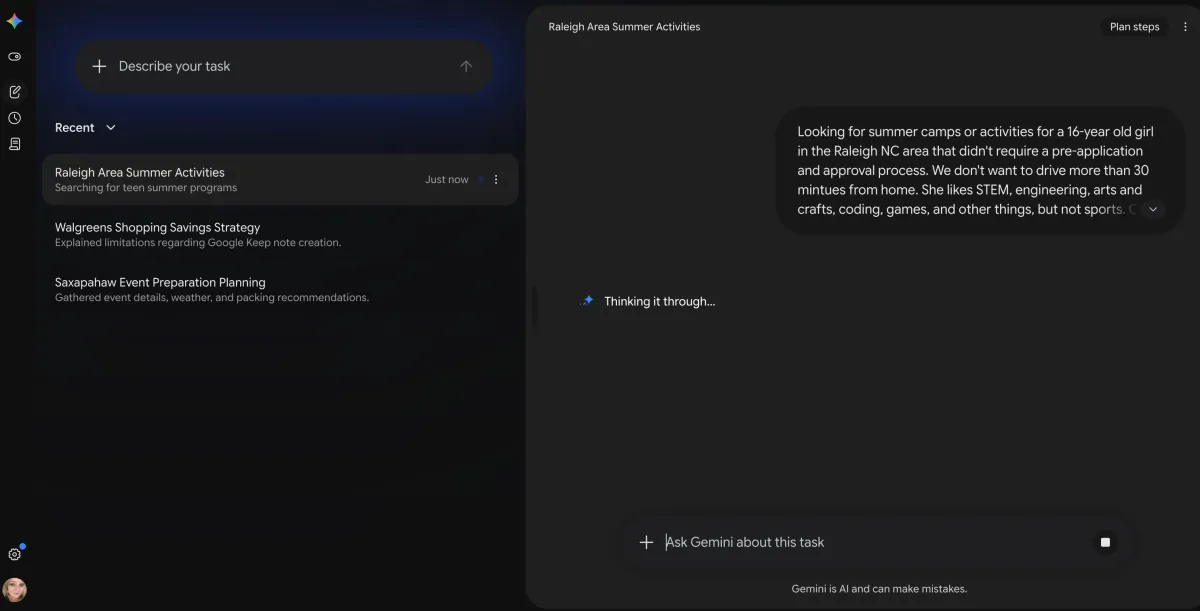
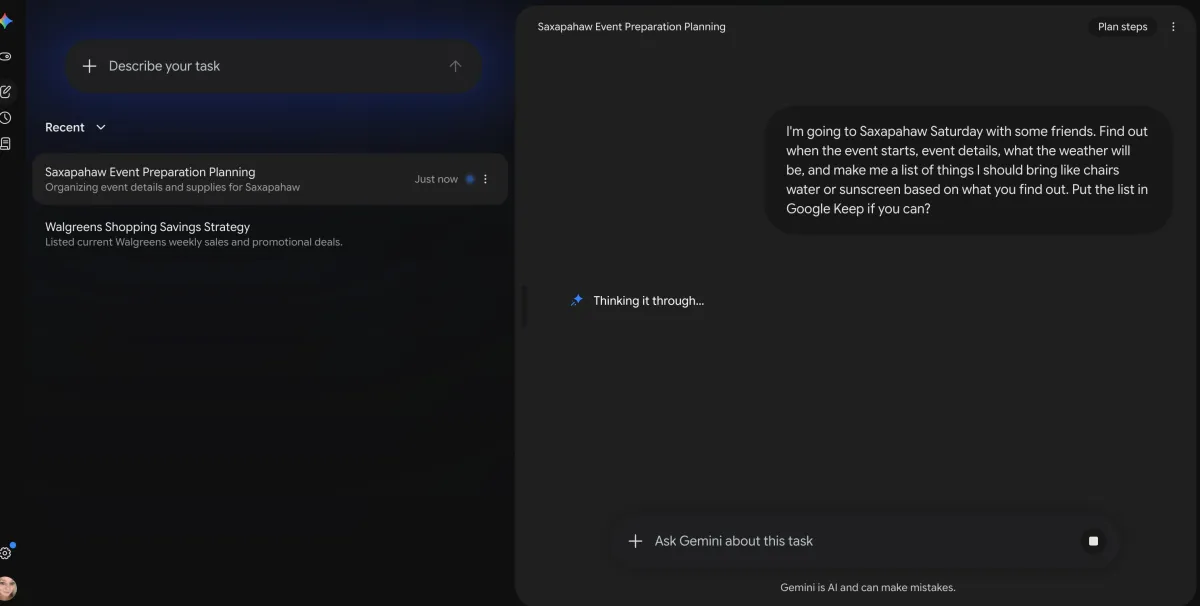
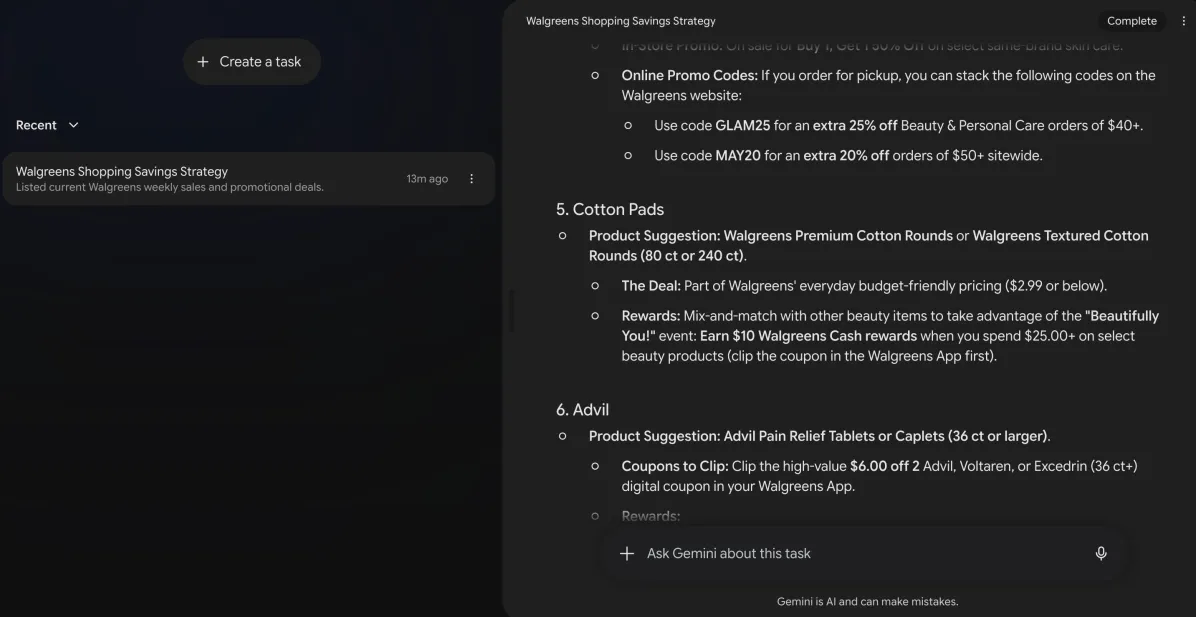
    The most interesting aspect of Gemini Spark isn't its ability to answer questions—it's its ability to perform ongoing tasks without constant supervision. From monitoring newsletters and tracking price changes to organizing schedules and summarizing large amounts of information, the platform represents a shift toward AI systems that work continuously in the background.

    For freelancers and solopreneurs, this could be particularly valuable. Imagine an AI assistant that monitors industry trends, tracks potential leads, manages follow-ups, and prepares daily business summaries while you focus entirely on client work. As AI agents evolve, freelancers may be among the biggest beneficiaries, gaining access to capabilities that previously required hiring virtual assistants, researchers, or administrative staff.

    Freelancing/Online work exchange

  • Why AI Agents Could Give Freelancers a Competitive Advantage
    johnblockbusterJ johnblockbuster

    c9f3b6f2-35c1-4894-9221-5d49a8ea671b-image.png
    One of the biggest challenges freelancers face is managing multiple responsibilities simultaneously. A single person often acts as the marketer, salesperson, project manager, accountant, and service provider. Google's Gemini Spark demonstrates how AI agents may help reduce that burden by automatically monitoring emails, tracking important updates, researching opportunities, and compiling useful information from multiple sources.

    As competition in the freelance economy increases, efficiency becomes a powerful advantage. Freelancers who successfully integrate AI into their daily workflow may be able to respond to clients faster, identify opportunities sooner, and spend more time on high-value work. In an industry where productivity directly impacts earnings, AI assistants could become as essential as project management and communication tools.

    Freelancing/Online work exchange

  • Google's New AI Agent Could Become a Freelancer's Personal Assistant
    johnblockbusterJ johnblockbuster

    0337a9ef-f14d-4f12-b291-79f3324db72c-image.png
    Freelancers often spend as much time managing their business as they do serving clients. Between sorting emails, tracking invoices, researching opportunities, organizing schedules, and handling administrative work, valuable billable hours can disappear quickly. Google's new Gemini Spark aims to solve this problem by acting as an always-on AI assistant that can monitor inboxes, summarize information, organize tasks, and automate repetitive workflows.

    For independent professionals, the real value isn't just productivity—it's reclaiming time. Every hour spent on administrative work is an hour that can't be billed to a client. As AI agents become more capable, freelancers may increasingly use them to handle routine operational tasks, allowing them to focus on client acquisition, project delivery, and revenue-generating activities.

    Freelancing/Online work exchange

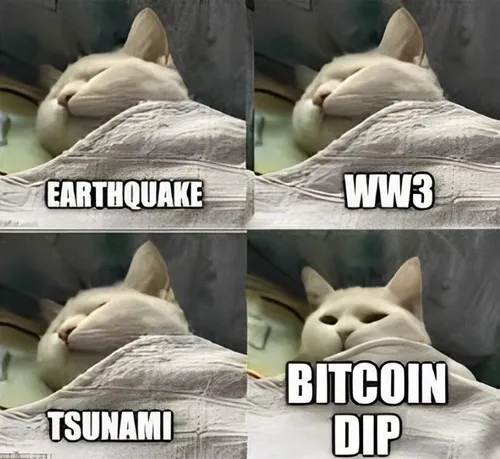
  • only coin that i trust since now
    johnblockbusterJ johnblockbuster

    b89f7318-58da-4617-b2c4-0baf8ff2f443-image.png

    Fan Art

  • btc whales be like
    johnblockbusterJ johnblockbuster

    9eecd078-cc2e-49bb-a655-439e8cf423e6-image.png

    Fan Art

  • The CLARITY Act Could Redefine Competition Between Banks and Crypto Firms
    johnblockbusterJ johnblockbuster

    8c5b3dbd-e823-44ce-bd96-05722dc6ff47-image.png
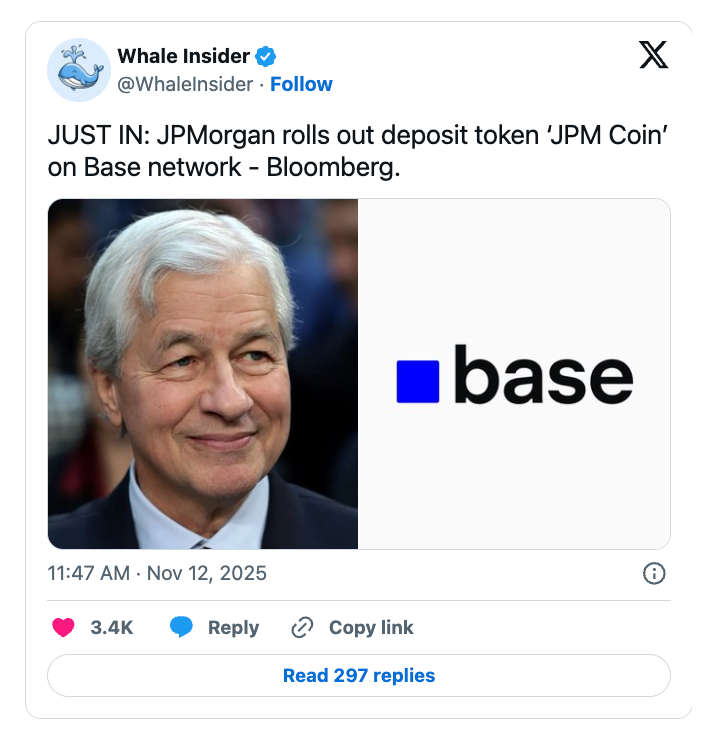
    The controversy surrounding the CLARITY Act highlights a growing challenge for policymakers: how to regulate financial products that blur the line between banking and cryptocurrency services. Jamie Dimon recently criticized provisions that would allow stablecoin issuers to offer rewards on customer balances without facing the same regulatory obligations as traditional banks.

    Supporters of the bill believe clearer regulations could accelerate innovation and strengthen the United States' position in the global digital asset economy. Critics, however, warn that creating separate rules for crypto firms could introduce systemic risks and create an uneven competitive environment. As lawmakers continue reviewing the legislation, the debate is becoming less about cryptocurrency itself and more about who gets to provide financial services in the digital age.

    Crypto Lifestyle

  • JPMorgan and Coinbase Are Fighting Over the Future of Stablecoins
    johnblockbusterJ johnblockbuster

    3bf8f884-6694-4078-98c3-0d0f2fc169a9-image.png
    A major battle is emerging between traditional banking institutions and the crypto industry as JPMorgan CEO Jamie Dimon publicly opposes the current version of the CLARITY Act. Dimon argues that if crypto companies are allowed to offer yield-bearing stablecoin products that resemble bank deposits, they should be required to follow the same regulatory framework that governs banks, including capital requirements, liquidity standards, and consumer protection rules.

    The debate goes beyond stablecoins and strikes at the heart of how digital finance will be regulated in the future. Crypto companies argue that innovation requires new frameworks tailored to blockchain technology, while banks maintain that similar financial services should be subject to similar rules. The outcome of this regulatory debate could significantly influence the competitive landscape between traditional finance and the rapidly growing digital asset sector.

    Crypto Lifestyle

  • The Gravity Bridge Exploit Shows the Hidden Risks of Cross-Chain Finance
    johnblockbusterJ johnblockbuster

    f7305150-aa77-4005-a771-24750fcd1853-image.png
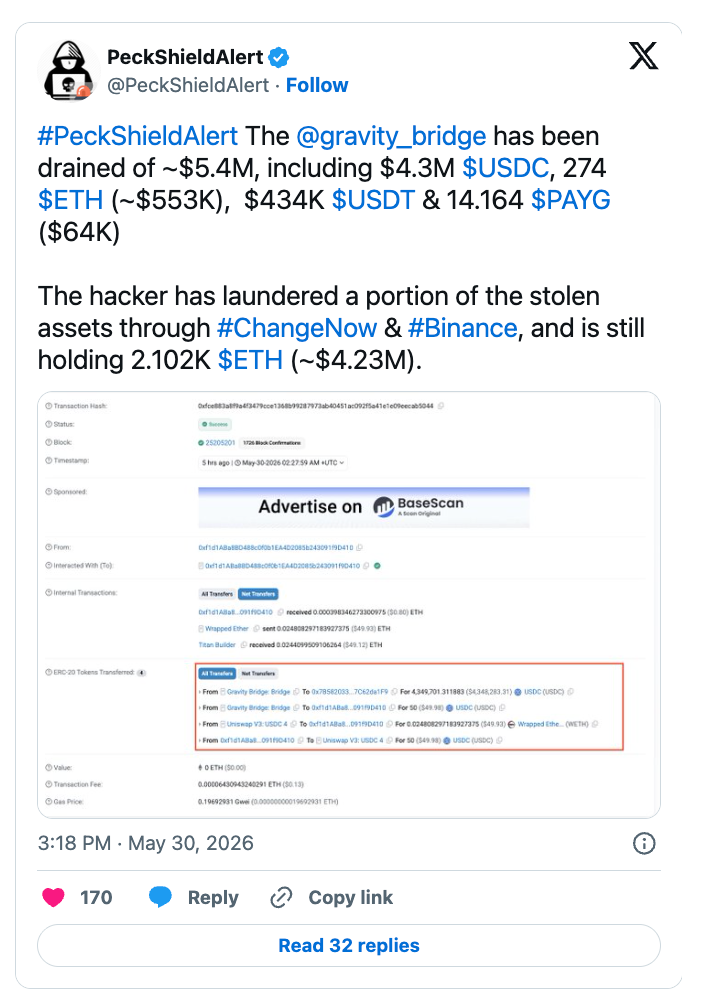
    Cross-chain bridges have become essential infrastructure for the cryptocurrency industry, allowing users to move assets between ecosystems such as Ethereum and Cosmos. However, recent events demonstrate that convenience often comes with additional security risks. The Gravity Bridge exploit reportedly stemmed from compromised access credentials rather than a technical vulnerability, highlighting how operational security can be just as important as code security.

    The broader crypto industry has witnessed numerous bridge-related attacks over the past few years, many of which resulted in losses far exceeding traditional smart contract exploits. These incidents underscore the challenge of securing systems that connect multiple blockchains while maintaining decentralization and efficiency. As institutional adoption grows, the ability to protect cross-chain infrastructure will likely become a defining factor in the long-term development of decentralized finance.

    Crypto-Detective

  • Gravity Bridge Hack Highlights Why Cross-Chain Security Remains a Major Challenge
    johnblockbusterJ johnblockbuster

    d8f7444f-8133-4559-a547-ca8709cb4aee-image.png
    Gravity Bridge suffered a significant security breach after attackers drained approximately $5.4 million from its Ethereum-side contract. Early investigations suggest the incident was not caused by a flaw in the smart contract itself, but rather by the compromise of a privileged signing key that allowed transactions to appear legitimate. The stolen assets included USDC, ETH, USDT, and other tokens, with much of the value later converted into Ether.

    The incident serves as another reminder that bridges remain one of the most vulnerable components of the crypto ecosystem. While blockchain protocols may be highly secure, bridges often rely on validators, multisignature wallets, or privileged keys that can become attractive targets for attackers. As digital assets continue moving across multiple blockchain networks, improving bridge security remains one of the industry's most important priorities.

    Crypto-Detective

  • AI Is Making Developers Faster—But Not Necessarily More Productive
    johnblockbusterJ johnblockbuster

    f34e07d9-cbcc-4076-a93f-ababc1f6983e-image.png
    Artificial intelligence has become so deeply embedded in software development that many programmers are no longer willing to work without it. Recent research found that developers overwhelmingly rely on AI coding assistants, believing these tools significantly improve their productivity. However, a growing body of evidence suggests that while AI can generate code quickly, it may also introduce errors, technical debt, and long-term maintenance challenges that offset many of the short-term gains.

    Several companies have already discovered that higher AI usage does not automatically translate into better outcomes. Organizations spending heavily on AI coding tools have struggled to measure corresponding improvements in productivity, while studies indicate that AI-generated code often requires additional review, debugging, and maintenance. The emerging consensus is that AI works best as an assistant rather than a replacement for skilled engineers. As adoption continues to accelerate, the most successful development teams may be those that combine AI-driven speed with rigorous human oversight, quality assurance, and architectural decision-making.

    Beyond Blockchain

  • Institutional Capital and Privacy Demand Are Creating Two Different Investment Narratives
    johnblockbusterJ johnblockbuster

    2b185831-198e-42e3-8f7c-b5b5e36586d1-image.png
    Recent developments show that privacy coins are no longer driven by a single market narrative. Zcash has attracted attention from institutional investors after regulatory developments, hedge fund disclosures, and efforts to launch a spot ETF. These factors have helped position Zcash as a privacy-focused asset that may be more accessible to traditional financial markets.

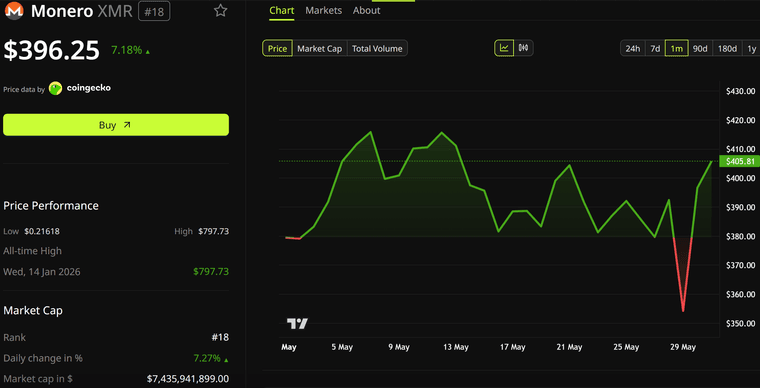
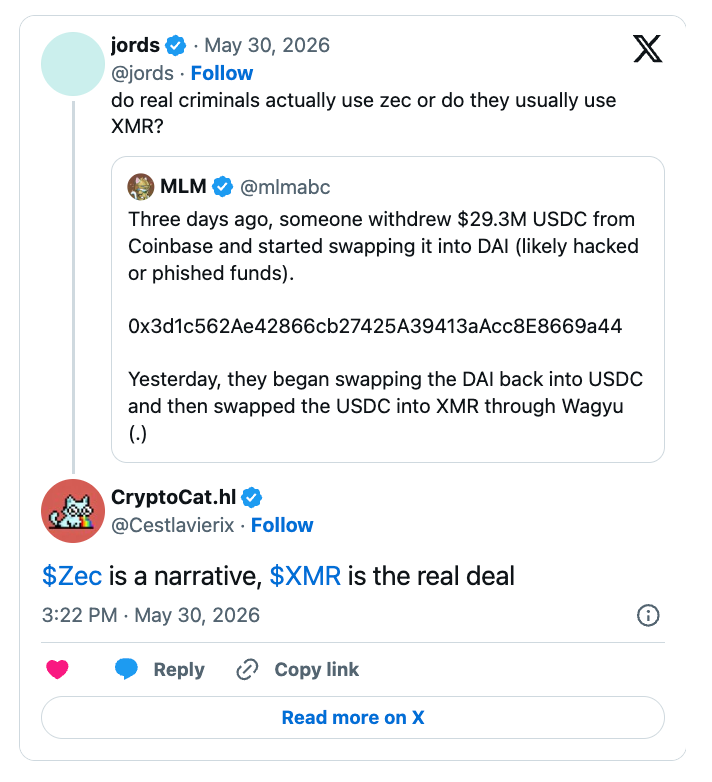
    Monero's recent rally tells a different story. The surge followed a large and highly visible onchain purchase that demonstrated the continued demand for censorship-resistant and privacy-preserving digital assets. As a result, investors are increasingly viewing the two projects through different lenses: Zcash as a privacy asset benefiting from institutional adoption, and Monero as a network driven primarily by its privacy technology and grassroots user base. The outcome of this divergence could shape the next phase of growth within the privacy coin sector.

    Airdrop and Ways to earn money

  • Why the Monero vs. Zcash Debate Continues to Divide the Crypto Community
    johnblockbusterJ johnblockbuster

    d2e134db-79f7-47ab-8d45-3332996c7ca1-image.png
    The latest moves in the privacy coin market have once again highlighted the philosophical differences between Monero and Zcash. Monero applies privacy protections to every transaction by default, making anonymity a fundamental feature of the network. Zcash, on the other hand, uses advanced cryptographic technology that allows users to choose between transparent and shielded transactions.

    Supporters of Monero argue that privacy only works effectively when it is enabled for everyone, while Zcash advocates point to the project's regulatory progress and growing institutional acceptance. As governments increase scrutiny of digital assets and investors seek exposure to privacy-focused technologies, the debate between privacy-first design and mainstream adoption is becoming increasingly relevant for the future of the sector.

    Airdrop and Ways to earn money

  • Privacy Coins Are Back in the Spotlight as Zcash and Monero Take Different Paths
    johnblockbusterJ johnblockbuster

    4b36888d-b659-4007-8a04-414f13af3c7a-image.png
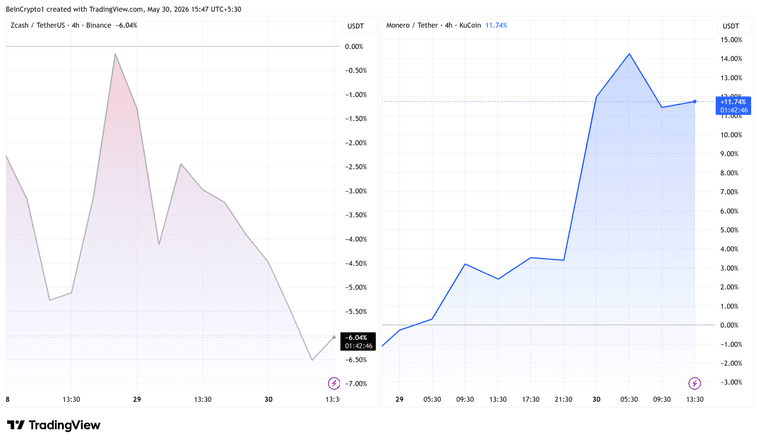
    The privacy coin sector has become one of crypto's strongest-performing categories in 2026, but recent market action highlights a growing divergence between its two largest projects. Zcash surged more than 900% over the past year, fueled by institutional interest, regulatory clarity, and speculation surrounding a potential spot ETF. However, after reaching levels not seen since 2017, the token has entered a cooling phase as traders take profits following a remarkable rally.

    At the same time, Monero has gained fresh momentum, climbing sharply after a large $23 million purchase attracted market attention. The contrasting price movements have reignited discussion about the future of privacy-focused cryptocurrencies. While Zcash is increasingly benefiting from institutional adoption narratives, Monero continues to attract users who prioritize privacy as the core feature of the network rather than an optional function.

    Airdrop and Ways to earn money

  • Why Crypto Derivatives Are Becoming the Next Major Growth Market
    johnblockbusterJ johnblockbuster

    7b835e00-ce04-4a57-9415-2e2a2718f06b-image.png
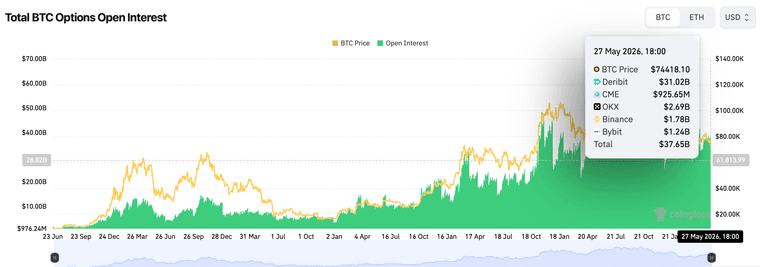
    Spot trading often receives the most attention, but derivatives have become the dominant force in global cryptocurrency markets. Products such as options and perpetual futures allow traders to hedge risk, manage portfolios, and speculate on market movements without directly owning digital assets. As institutional adoption grows, demand for these tools continues to accelerate.

    The latest expansion by Coinbase reflects a broader trend across the industry. Exchanges, regulators, and financial institutions are increasingly working to bring crypto derivatives into regulated environments. This shift could improve market transparency, attract larger pools of capital, and create a more mature financial ecosystem capable of supporting long-term growth.

    Hero Portfolio

  • The US Is Gradually Building a Regulated Crypto Trading Infrastructure
    johnblockbusterJ johnblockbuster

    efe3f7fa-388c-40d8-a906-a16a4fdfd476-image.png
    Recent developments suggest that US regulators are becoming more open to cryptocurrency derivatives and round-the-clock digital asset markets. Alongside Coinbase's expansion, major financial institutions and exchanges have introduced new crypto futures products, while regulators continue exploring frameworks that could support perpetual futures trading within the United States.

    These changes represent more than just new investment products. They signal the gradual construction of a regulated financial infrastructure for digital assets, similar to what exists for stocks, commodities, and traditional derivatives. As this ecosystem develops, the US could become a more competitive destination for crypto trading activity that has historically been concentrated in offshore markets.

    Pulse of the market

  • Login or register to search.
Powered by NodeBB Contributors
  • First post
    Last post
0
  • Categories
  • Recent
  • Tags
  • Popular
  • World
  • Users
  • Groups